Vintage Kitchen Embroidery Pattern 2 Review
As a designer who spends more time staring at stitch counts than I do sleeping, I approach every new Hand Embroidery Patterns release with a mix of excitement and skepticism. The market is flooded with generic floral hoops and trendy typography, but finding a design that truly captures a specific mood without feeling cluttered is rare. That is why I decided to put Vintage Kitchen Embroidery Pattern 2 under the microscope. This isn't just about downloading a file; it is about understanding how this Graphics asset translates into a tangible, sellable, or giftable reality.
The First Impression: Rustic Charm Meets Practical Design
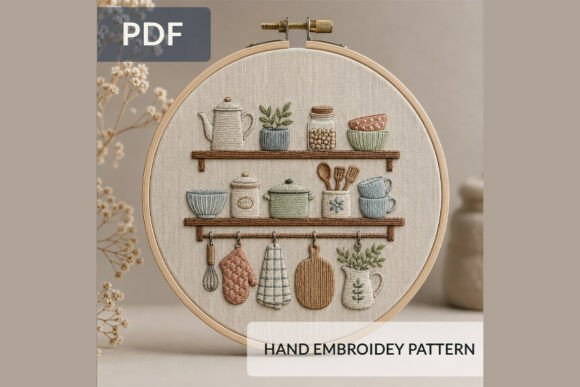
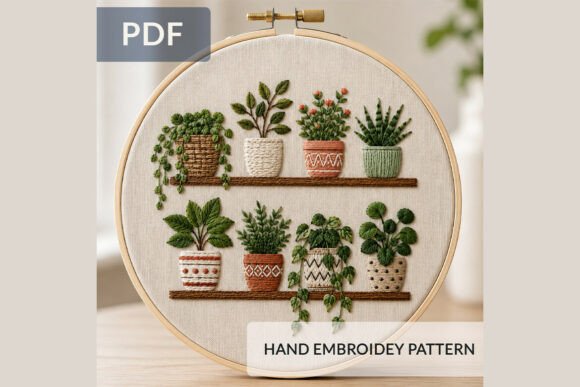
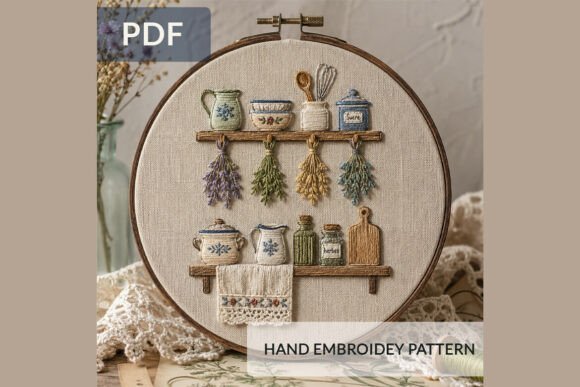
When I first opened the preview for Vintage Kitchen Embroidery Pattern 2, the immediate vibe was unmistakably cozy. It leans heavily into that cottagecore aesthetic that has been dominating interior design trends for years. The concept features a rustic wooden shelf holding herbs, which instantly evokes warmth and domesticity. Visually, the layout is balanced, avoiding the common pitfall of being top-heavy or too crowded for a standard hoop size.
For those of us creating digital product assets or planning a boutique collection, the visual personality here is strong. It feels like a piece that belongs in a sun-drenched kitchen rather than a sterile showroom. However, the true test of any embroidery design lies not in the digital preview, but in how it behaves when thread meets fabric. Does the detail hold up? Is the density appropriate for different materials? Let's dive into how this pattern performs in real-world scenarios.
Real-World Application: From Tote Bags to Holiday Gifts
I immediately started brainstorming where Vintage Kitchen Embroidery Pattern 2 would shine. My mind went straight to home textiles. Imagine this design stitched onto a heavy linen tea towel or an unbleached cotton apron. The rustic theme pairs perfectly with natural fibers. The texture of the fabric would complement the "wooden" elements of the shelf, creating a tactile experience that customers love to touch before buying.
But let's look beyond the kitchen. This design has significant potential as a custom apparel element. Picture a high-quality canvas tote bag for a local farmer's market or a small shop selling organic goods. The design acts as a subtle brand marker without shouting for attention. For the Etsy seller looking to expand their holiday catalog, this could be a staple for personalized gifts. A family crest style arrangement on a pillow cover or a blanket corner adds a touch of heritage that mass-produced items simply cannot replicate.
If you are considering this for a sweatshirt embroidery project, the scale matters. On a dark charcoal or forest green sweatshirt, using light earth tones for the herbs and shelf would create a beautiful contrast. However, because the design includes fine details like leaves and wood grain, you must ensure the stitch density is high enough to prevent the fabric from showing through, yet low enough to avoid puckering on stretchy materials.
Considerations for Small Hoops and Textured Fabrics
While the design is versatile, there are areas where caution is required. If you plan to use Vintage Kitchen Embroidery Pattern 2 in a very small hoop, such as a 4-inch circle, the intricate details of the herbs might get lost. Tiny lettering, if included in your version, can easily become illegible if the stitch count is too high for the space. Always check the recommended hoop size against your intended project dimensions.
Fabric choice is equally critical. On highly textured fabrics like thick wool or boucle, the delicate lines of the shelf might struggle to stand out. Similarly, on very thin or stretchy fabrics, the weight of the fill stitch used for the wooden elements could cause distortion. In these cases, a robust stabilizer is non-negotiable. You want the finished product to lay flat, maintaining its structural integrity after washing.
Another consideration is the background color. While the design looks great on neutrals, placing it on a busy print or a very dark fabric without adjusting the thread colors could result in a muddy appearance. I always recommend testing the design in black and white mockups first to assess contrast levels before committing to expensive threads and fabric.
Designer Notes: Maximizing Value and Professionalism
Before integrating Vintage Kitchen Embroidery Pattern 2 into your commercial workflow, treat it like any other professional asset. Start by stitching a sample on scrap fabric that matches your final material. This allows you to adjust tension and verify that the running stitch outlines are crisp and the satin stitch edges are smooth.
For small business owners, consistency is key to building customer trust. If you are selling these as embroidered patches or finished home decor, every item needs to look identical. Check the licensing terms carefully. Many machine embroidery design files have restrictions on how many finished products you can sell or whether you can resell the digital file itself. Ensure you have the right permissions for your craft business model.
The value of a handmade product often comes down to the perceived quality of the design. Vintage Kitchen Embroidery Pattern 2 offers a sophisticated look that elevates a simple item into a collectible piece. When customers see the care taken in the stitching—the way the herbs seem to spill naturally off the shelf—they are more likely to view the item as a premium personalized gift. This perception directly impacts your ability to charge higher prices and build a loyal following.
Final Thoughts on Commercial Viability
In conclusion, Vintage Kitchen Embroidery Pattern 2 is a solid addition to any designer's library, provided it is used with intention. It excels in projects that require a warm, inviting aesthetic, such as kitchen linens, nursery decor, and boutique branding. By paying attention to fabric choices, stabilizer usage, and color contrast, you can transform this embroidery file into a standout product.
Whether you are a hobbyist making a baby embroidery gift or an entrepreneur scaling your commercial embroidery line, this pattern offers the versatility needed to create meaningful, high-quality work. Just remember: the best designs are those that respect the limitations of the medium while maximizing the emotional connection they create with the end user. With proper execution, this rustic herb shelf motif will undoubtedly bring a touch of cottage charm to your next big project.