Houseplants Hand Embroidery Pattern Review
As an embroidery designer who has spent years curating collections for boutique apparel, I approach every new digital asset with a critical eye. The market is saturated with generic motifs, so finding a design that truly elevates a garment requires looking beyond the thumbnail. Recently, I came across the Houseplants Hand Embroidery Pattern on Creative Fabrica, and it immediately caught my attention for its potential in upcoming sweatshirt and hoodie projects. This review explores how this specific pattern translates from a digital file to a tangible, high-value piece of custom apparel.
First Impressions: Aesthetic and Visual Mood
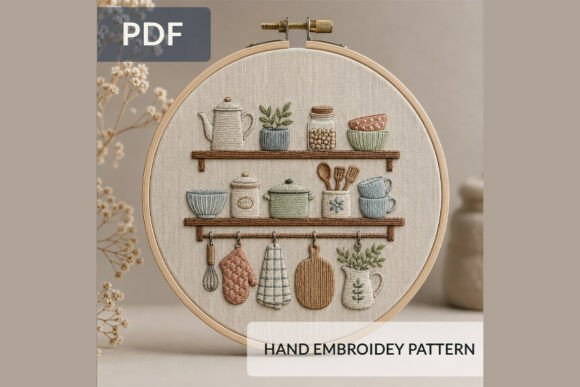
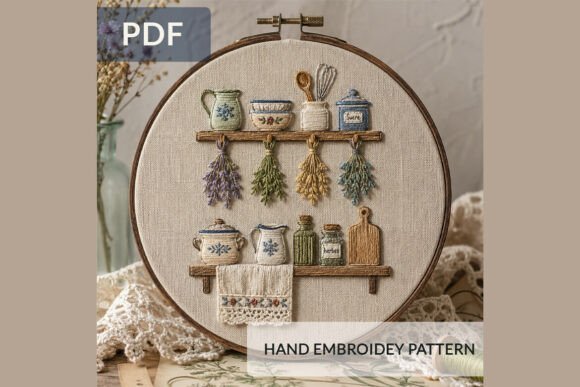
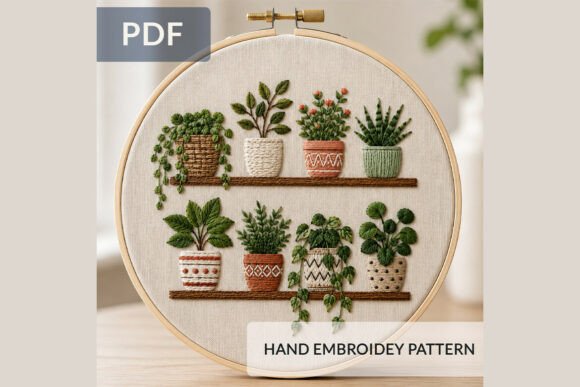
When I first opened the preview for the Houseplants Hand Embroidery Pattern, the visual personality was immediately clear. It strikes a perfect balance between modern minimalism and cozy botanical charm. Unlike many designs that feel overly cluttered or cartoonish, this pattern features aesthetic indoor plants, textured pots, trailing vines, and wooden shelves that suggest a curated, lived-in space. For a boutique brand aiming for a "slow living" or "hygge" vibe, this design offers a sophisticated yet accessible look.
The mood is distinctly warm and inviting. It feels less like a bold statement graphic and more like a subtle nod to nature, which is ideal for everyday wear. The inclusion of wooden shelves adds a rustic touch that grounds the greenery, preventing the design from feeling too ethereal. Whether you are targeting a feminine audience or a broader lifestyle demographic, the decorative strength of this pattern lies in its ability to tell a story without overwhelming the wearer. It is neither too cute nor too serious; it sits comfortably in that trendy, classic middle ground that sells well on platforms like Etsy.
Application on Boutique Apparel and Sweatshirts
One of the primary reasons I am considering this for my next collection is its versatility across different garment types. Imagine placing this Houseplants Hand Embroidery Pattern on a neutral oatmeal-colored sweatshirt. The earthy tones of the pots and shelves would blend seamlessly with the fabric, while the greenery provides just enough contrast to pop. This works exceptionally well for sweatshirt embroidery where the goal is understated elegance rather than loud branding.
For a hoodie design, I envision using this pattern as a chest placement on pastel hoodies. The soft colors of the garment would complement the botanical elements, creating a cohesive look that appeals to the handmade product enthusiast. Alternatively, on dark apparel like charcoal or forest green fleece, the design could be executed with lighter thread colors to create a striking silhouette. The trailing vines mentioned in the description offer a natural way to extend the design down the sleeve or wrap around the hem, adding a dynamic element to oversized garments.
Beyond tops, this pattern is equally effective on tote bags and denim jackets. On a canvas tote, the texture of the fabric mimics the organic feel of the plants, enhancing the overall aesthetic. On a denim jacket, the Hand Embroidery Patterns style can add a layer of vintage-inspired customization that feels premium. Whether used for a single back design on a t-shirt or as a small accent on a pocket, the Houseplants Hand Embroidery Pattern adapts beautifully to various scales.
Strategic Placement and Design Considerations
While the design is versatile, strategic placement is crucial for maintaining quality. When working with stretchy fabric like fleece or ribbed cuffs, one must be careful with dense stitch areas. If the stitch density is too high in the vine sections, the fabric may pucker when stretched. I always recommend testing the design on scrap fabric first to see how the threads interact with the material's elasticity.
For small chest placements, ensure the details of the textured pots remain visible. Sometimes, intricate textures can get lost if the scale is reduced too much. Conversely, for large back designs, the trailing vines can be expanded to fill negative space effectively. However, avoid placing complex parts of the design over curved surfaces where the hoop might distort the image. Always check the hoop size requirements before committing to a specific garment area.
Another consideration is the choice of stabilizer. Since this is a hand embroidery style pattern, it likely relies on varied stitch lengths and directions. Using a heavy-duty stabilizer on thin t-shirts might make the finished product feel stiff, whereas a lightweight tear-away or cut-away stabilizer would preserve the drape of the fabric. For dark garments, a white underlay or top-stabilizer might be necessary to ensure the thread colors stand out vibrantly.
Enhancing Brand Identity and Product Value
Incorporating the Houseplants Hand Embroidery Pattern into a collection does more than just decorate a shirt; it strengthens brand identity. For a small clothing brand or an Etsy seller, consistency is key. This design fits perfectly within a lifestyle product line focused on home, nature, and comfort. When customers see these designs on your social media graphics or printable mockups, they associate your brand with a specific, desirable aesthetic.
High-quality embroidery increases the perceived value of a garment significantly. A plain sweatshirt becomes a boutique item when adorned with a detailed, thoughtfully placed design. The commercial embroidery potential here is strong because the motif is timeless. Unlike seasonal trends that fade quickly, houseplants remain a staple in interior and fashion design. This longevity ensures that your inventory remains relevant longer, boosting buyer trust and encouraging repeat purchases.
Furthermore, the tactile nature of embroidery adds a sensory element that screen printing cannot match. Customers appreciate the craftsmanship involved in a finished product that feels substantial. By using a design like this, you signal to your audience that you care about quality and detail, which is essential for building a loyal customer base in the competitive handmade market.
Practical Designer Notes for Production
Before launching any production run, there are several practical steps to take. First, verify the licensing terms on Creative Fabrica. As a digital seller, you need to ensure you have the correct license for selling finished apparel, especially if you plan to produce large quantities. While many Creative Fabrica embroidery files allow commercial use, the specifics can vary.
Secondly, review the thread color palette. The preview images give a great idea of the intended look, but you may want to adjust the colors to match your specific brand guidelines or seasonal collection. Ensure you have high-quality thread that matches the intended mood—matte threads often work better for this rustic, natural look than shiny ones.
Finally, always inspect the stitch density and compare placement options on a physical sample. Even though this is described as a hand embroidery pattern PDF, understanding how the stitches translate to machine execution (if applicable) or manual stitching time is vital for pricing your products correctly. Check the product details for file formats and compatibility to ensure your workflow runs smoothly.
In conclusion, the Houseplants Hand Embroidery Pattern is a robust addition to any designer's library. Its ability to bridge the gap between modern aesthetics and cozy functionality makes it an excellent choice for sweatshirt embroidery, hoodie designs, and various other custom apparel projects. With careful planning regarding placement, stabilizers, and licensing, this pattern can become a cornerstone of a successful boutique collection.