Tomatoes Embroidery Design: A Real-World Review
As a designer who has spent years testing machine embroidery designs for both personal craft businesses and client work, I approach every new file with a critical eye. The market is flooded with generic patterns, but finding a machine embroidery design that truly translates well from screen to fabric is a different story. Recently, I loaded the Tomatoes Embroidery Design into my software to see if it lives up to its promise of bringing fresh garden charm to your projects. After running several test stitches and visualizing it on various products, here is my honest assessment of how this pattern performs in real-world scenarios.
First Impressions: Garden Freshness Meets Stitch Clarity
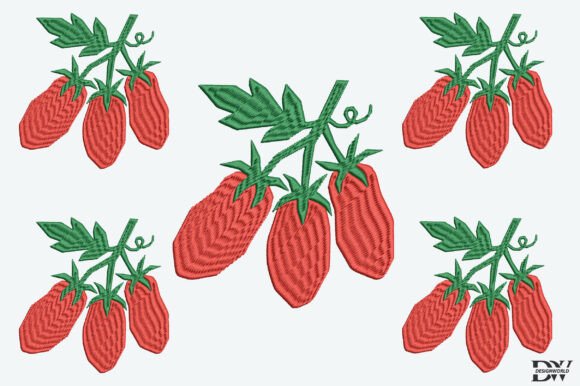
When you first open the digital embroidery file, the visual impact is immediate. The design features vibrant ripe tomatoes paired with beautiful botanical details, creating a mood that is both rustic and refined. It avoids the cartoonish look that plagues many fruit-themed patterns. Instead, the layout suggests a high-quality embroidery project suitable for branding or premium handmade goods. The balance between the round shape of the tomatoes and the organic flow of the leaves feels natural, not forced.
For an Etsy seller or a boutique owner looking to add a seasonal touch to their inventory, this aesthetic is gold. It screams "farm-to-table" without needing a single word of text. However, the true test of any design lies not in the preview image, but in how the thread interacts with the fabric. Does the stitch density hold up? Are the thread colors distinct enough to prevent color bleeding? These are the questions I asked myself before committing to a final product.
Testing the Design on Custom Apparel and Home Goods
To get a realistic feel for the Tomatoes Embroidery Design, I simulated its application on a few specific items. First, I envisioned it on a heavy cotton tote bag. The bold shapes of the tomatoes would likely stand out beautifully against a neutral canvas, making it a perfect tote bag design for farmers' markets or eco-friendly shops. The botanical details add enough complexity to justify a higher price point compared to simple clip-art style prints.
I also considered sweatshirt embroidery. Placing this motif on the left chest of a linen-blend sweatshirt creates a sophisticated, casual look. The reds and greens pop against earth tones, which is ideal for autumn collections. For those focusing on custom apparel, this design offers versatility. It works as a standalone statement piece or as part of a larger patchwork collection. If you are planning holiday embroidery gifts, imagine this on a kitchen towel or an apron; it instantly elevates a standard household item into a personalized gift that recipients will actually use and display.
Even in the realm of baby embroidery, this design finds a niche. Softening the thread weights slightly could make it perfect for a nursery pillow cover or a bib, capturing a "little gardener" theme. The key here is ensuring the hoop size accommodates the design without distorting the proportions of the fruit.
Navigating Challenges: Fabric Texture and Density
While the Tomatoes Embroidery Design is visually appealing, it requires careful handling depending on the substrate. One area where I advise caution is using this on textured fabrics like terry cloth or heavy denim. The intricate botanical details might get lost in the weave if the fill stitch isn't dense enough. Always test the design on scrap fabric first to ensure the texture doesn't interfere with the clarity of the leaves and stems.
Similarly, working with dark fabrics presents a challenge. While the red tomatoes are bold, the green leaves might require a specific underlay to show up clearly against black or navy backgrounds. You may need to adjust the thread colors or add a layer of backing to prevent the dark fabric from showing through lighter stitches. This is crucial for maintaining the professional look of your finished product.
Another consideration is the use of stretchy materials. If you plan to put this on a jersey knit t-shirt, the tension needs to be dialed in perfectly. Without a proper stabilizer, the movement of the fabric can cause the satin stitch outlines of the tomatoes to pucker or break. For curved surfaces like caps, check the digitization carefully to ensure the design doesn't warp when stretched over the brim.
Practical Notes for Commercial Use and Small Business Owners
If you are a creative entrepreneur looking to sell items featuring this design, there are a few practical steps to take before launching your listing. First, confirm the licensing terms. Not all commercial embroidery files allow you to sell the finished physical goods, let alone the digital file itself. Ensure you have the right to use the Tomatoes Embroidery Design for your small shop product line.
Secondly, create a printable mockup to showcase the design on different items. This helps potential buyers visualize the scale and placement. When photographing your samples, pay attention to lighting to accurately represent the thread colors. Misleading photos can lead to customer dissatisfaction and returns, damaging your brand reputation.
Finally, consider the longevity of the design. Since tomatoes are associated with food and kitchens, these items may face frequent washing. Check whether the running stitch and fill areas are secure enough to withstand repeated laundering without fraying. A well-stitched embroidered patch or applique design should maintain its integrity even after months of use.
Final Verdict: A Versatile Asset for Makers
In conclusion, the Tomatoes Embroidery Design is a strong addition to any maker's library. It captures the essence of summer harvests and garden life with a level of detail that appeals to discerning customers. Whether you are creating a personalized gift, stocking a boutique, or fulfilling custom orders, this pattern offers a reliable way to add value to your work.
Just remember to respect the technical requirements of embroidery. Test your stabilizers, verify your hoop sizes, and always review the stitch quality on your specific fabric type. By doing so, you ensure that the beauty of the design shines through in every handmade product you create. For designers who want to blend nature-inspired themes with professional execution, this is a design worth exploring.