Foods Embroidery Designs: A Real-World Review
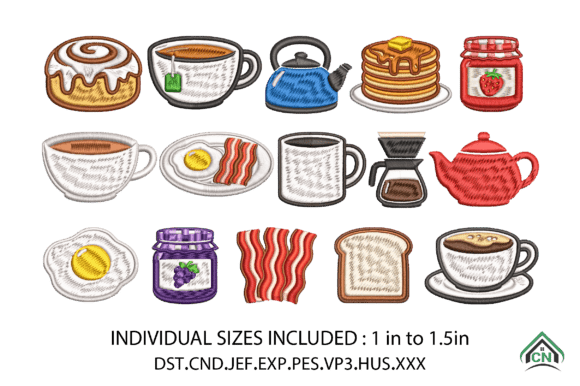
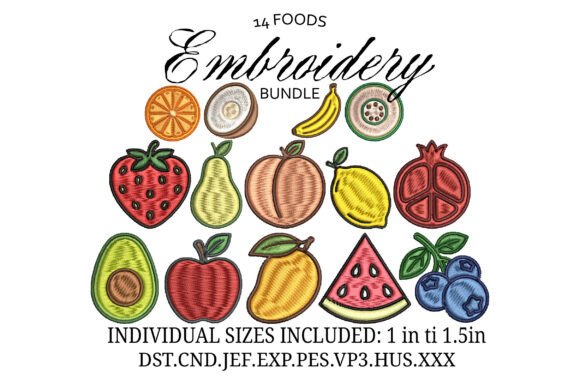
As a designer who has spent years curating assets for both personal hobbyists and commercial craft businesses, I approach every new bundle with a critical eye. The market is flooded with generic patterns, so finding a collection that actually translates well from screen to fabric is rare. When I first opened the Foods Embroidery Designs bundle, my initial thought was about versatility. This colorful collection of fruit and food-inspired embroidery mini designs immediately signals a fresh, fun, and playful stitching project. But does it hold up under the pressure of a real client order or a high-volume Etsy listing? Let's dive into how these designs perform when you move beyond the digital preview.
The Visual Personality of Food-Themed Stitching
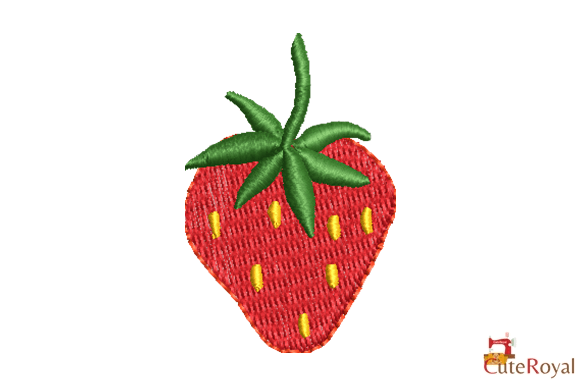
The first thing that strikes you about this bundle is the mood. These aren't hyper-realistic botanical studies; they are stylized, cheerful icons perfect for adding a pop of color to a neutral background. Whether you are looking at a strawberry, a slice of watermelon, or a cupcake, the shapes are distinct and the lines are clean. For an embroidery file intended for small business use, clarity is everything. You want your customer to recognize the subject instantly on a tote bag design or a baby onesie without squinting at tangled threads.
In terms of layout, the mini designs in this set are compact. This is a significant advantage for custom apparel. Large, sprawling designs often struggle on curved surfaces like caps or the sleeves of a sweatshirt. These bite-sized motifs fit perfectly into tight spaces, making them ideal for pocket embellishments, collar accents, or even as part of a larger, custom arrangement on a pillow cover. The visual personality is undeniably "handmade" and friendly, which builds immediate trust with buyers looking for personalized gifts rather than mass-produced goods.
Testing the Waters: A Real Project Scenario
To truly evaluate the utility of Foods Embroidery Designs, I imagined a specific scenario: preparing a line of organic cotton kitchen towels for a boutique shop owner. The goal was to create a cohesive holiday embroidery collection that felt festive but not overwhelming. I selected a few fruit motifs and arranged them along the hem of a mockup towel.
On the screen, the colors were vibrant. However, the real test comes when you consider the stitch density and thread colors. In this bundle, the balance between satin stitch outlines and fill stitch interiors seems well-calibrated. If the density is too high, the fabric puckers; too low, and the backing shows through. Based on the visual weight of these designs, they appear optimized for standard medium-weight fabrics like canvas, denim, or heavy cotton blends. For a kitchen towel, this means the finished product will look professional and durable after repeated washes.
I also considered using these for sweatshirt embroidery. Imagine a cozy fleece hoodie with a single, large apple motif on the chest. The boldness of the design ensures it stands out against the soft texture of the fleece. However, if you were to try this on a thin, stretchy t-shirt, you would need to be extremely careful with the stabilizer choice. The design's integrity relies on the fabric holding its shape during the stitching process.
Navigating Fabric Challenges and Hoop Constraints
While the Foods Embroidery Designs are versatile, they are not a magic bullet for every surface. As a reviewer, I must point out where caution is required. Small hoop sizes can sometimes truncate details if the design isn't scaled correctly. Always confirm the hoop size requirements before starting your machine. If you are working with textured fabrics like corduroy or linen, the needle might skip, or the thread might sink into the weave, obscuring the delicate details of the fruit skins or frosting.
Dark fabrics present another challenge. While the designs are colorful, stitching bright yellows or oranges on black fabric requires excellent contrast. Without proper thread colors selection, the design could look muddy. I always recommend testing the design on scrap fabric first, especially when dealing with dark backgrounds. Check whether the design works for both personal and commercial projects by viewing it in black and white mockups. This helps you spot any areas where the stitch count might be too dense or where details get lost.
Furthermore, avoid placing these detailed mini designs on highly stretchy fabrics without a tear-away or cut-away stabilizer. The tension from the machine can distort the shape of the food items, turning a round orange into an oval mess. For products that need frequent washing, such as aprons or bibs, ensure the fill stitch is secure enough to prevent unraveling over time.
Practical Notes for Designers and Business Owners
If you are an Etsy seller or a creative entrepreneur planning to sell handmade products featuring these assets, there are several practical steps to take. First, inspect the small details closely. Tiny lettering or intricate corners in food designs can be tricky for machines to hit consistently. If the bundle includes text, verify that it remains legible at your desired scale.
Second, use proper stabilizer. This cannot be overstated. Even a simple machine embroidery design needs support to look crisp. For a tote bag, a sticky mesh stabilizer works wonders. For a cap, a specialized cap hoop and foam insert are non-negotiable. Third, compare light and dark fabric backgrounds before committing to a production run. What looks great on a white mockup might disappear on a heather grey shirt.
Finally, confirm licensing before selling finished items or digital products. Ensure you have the right to use these design assets for commercial embroidery. Many bundles are sold for personal use only, which can lead to legal trouble if you start selling finished product merchandise without the correct license. Always read the terms provided with the download.
Final Verdict on Commercial Viability
Ultimately, Foods Embroidery Designs offers a strong foundation for a variety of embroidery project ideas. They excel in creating personalized gift items, nursery decor, and small shop merchandise that feels curated and thoughtful. The playful nature of the fruit and food themes appeals to a wide demographic, from parents buying baby clothes to adults seeking cute home goods.
For the serious maker, these designs provide a reliable way to add value to basic items. A plain tote bag becomes a statement piece; a simple napkin becomes a collectible. However, success depends on your execution. Test your settings, choose the right stabilizer, and respect the limitations of your fabric. When done correctly, these designs elevate your brand consistency and buyer engagement, proving that even simple, fun motifs can drive a successful craft business.