Ottoman Tulip Ornament Embroidery Review
As a designer who has spent years curating machine embroidery design libraries for both personal projects and client work, I approach every new digital asset with a critical eye. The market is flooded with generic patterns, so finding a piece that truly elevates a finished product requires careful scrutiny. Today, I am evaluating the Ottoman Tulip Ornament Embroidery. This isn't just about looking at a preview image; it is about understanding how this specific embroidery file behaves under the needle, how it interacts with different fabrics, and whether it can drive sales for a small business owner or Etsy seller.
The Aesthetic Impact of Ottoman Tulip Ornament Embroidery
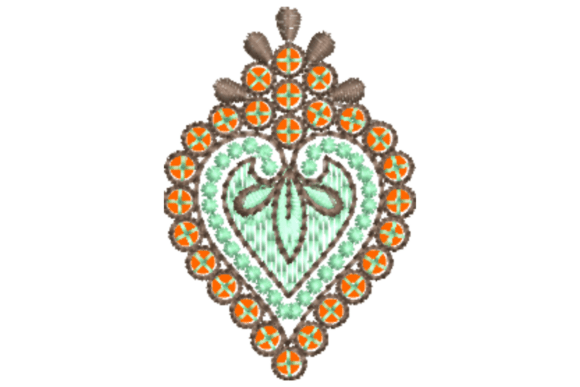
At first glance, the Ottoman Tulip Ornament Embroidery exudes a sense of timeless elegance. The floral motif draws from historical Turkish art, characterized by elongated petals and intricate, swirling details. Unlike modern, blocky floral designs, this piece relies on fluid lines and organic shapes. When I visualize this as a finished product, the mood shifts immediately toward sophistication and heritage. It feels less like a trendy graphic and more like a classic embellishment that adds value to a handmade item.
The layout suggests a balanced composition, which is crucial for maintaining visual appeal on garments. In my experience, designs that are too top-heavy or lopsided often fail when placed on curved surfaces like caps or unevenly cut tote bags. The symmetry inherent in the tulip structure here makes it versatile. Whether you are planning a custom apparel line or creating a single personalized gift, the design's personality stands out without overwhelming the base material.
Testing the Design in Real-World Scenarios
To truly understand the utility of this digital embroidery file, I imagine a specific project: a high-end linen tote bag intended for a boutique shop. Linen has a natural texture that can sometimes interfere with delicate stitching, but the bold outlines typical of Ottoman-style florals tend to hold up well against such grain. If I were to stitch the Ottoman Tulip Ornament Embroidery onto a cream-colored canvas, the contrast would be striking yet subtle enough to remain classy.
Consider the application on sweatshirt embroidery. Heavy cotton fleece is a popular substrate for craft businesses, but it can cause puckering if the stitch density is too high. While I cannot see the exact stitch count without the file, the visual complexity suggests a mix of fill stitch and running stitch. For a sweatshirt, I would recommend using a heavy-duty stabilizer to ensure the fabric remains flat. The result would be a premium-looking garment that customers associate with quality craftsmanship rather than mass production.
For those focusing on baby embroidery, the soft curves of the tulip make it an excellent choice for nursery decor or clothing. However, one must be mindful of thread safety and fabric stretch. On a onesie, the design should be placed where there is minimal stretching to prevent distortion over time. Similarly, as a holiday embroidery accent on a pillow cover or kitchen towel, this design brings a touch of exotic warmth that distinguishes it from standard seasonal motifs.
Where Caution Is Required
While the Ottoman Tulip Ornament Embroidery is versatile, it is not a universal solution. There are specific situations where this design requires extra care:
- Small Hoop Sizes: If your machine only accommodates a 4x4 hoop, you may need to resize the design. Reducing the scale of intricate floral elements can lead to lost detail and potential thread breaks. Always check the recommended hoop size before committing to a tiny project.
- Textured Fabrics: On highly textured materials like thick denim or bouclé, fine details might get lost. The fill stitch areas could appear muddy if the fabric weave interferes with the thread lay.
- Dark Fabric Backgrounds: Without proper backing, light thread colors will show through less vibrantly on dark garments. You may need to adjust the color palette or use a dense underlay to ensure the Ottoman Tulip Ornament Embroidery pops.
- Curved Surfaces: Applying this design to a cap requires precise digitizing to account for the curve. If the design was not specifically optimized for curved surfaces, the bottom edges may pucker.
Practical Notes for the Professional Designer
Before integrating this embroidery project into your commercial workflow, there are essential steps to take. First, always test the design on scrap fabric that matches your final product. This allows you to inspect small details and verify that the stitch density is appropriate. You want to avoid areas that are too dense, which can cause fabric shrinkage, or too sparse, which looks unfinished.
Color selection is another critical factor. The traditional Ottoman palette often includes deep reds, greens, and golds. Experiment with these thread colors against various fabric backgrounds to see what creates the most professional look. Creating printable mockups in black and white can also help you assess the contrast and legibility of the design before you spend thread on a physical sample.
Furthermore, consider the licensing implications. Since this is a digital product delivered via instant download, usually in ZIP or RAR format, you must confirm the terms of use. Can you sell the finished product? Are you allowed to create an embroidered patch for resale? Understanding these boundaries protects your craft business from legal issues. As an Etsy seller or small shop product creator, clarity on commercial rights is non-negotiable.
Impact on Brand and Customer Perception
Using a distinctive design like the Ottoman Tulip Ornament Embroidery significantly affects brand consistency and customer trust. In a sea of generic flowers, a unique, culturally rich motif signals attention to detail. Customers buying handmade products are often looking for stories and uniqueness. This design provides a narrative element that simple geometric patterns lack.
When used correctly, it enhances the perceived value of the item. A tote bag design featuring this ornament can command a higher price point because it feels curated and exclusive. It transforms a basic accessory into a statement piece. For personalized gifts, the intricate nature of the tulip suggests effort and care, increasing the emotional impact of the present.
However, the quality of execution matters. If the stitching is messy or the stabilizer choice was poor, even the best design will fail. The finished product must reflect professionalism. Clean edges, consistent tension, and proper alignment are what turn a good machine embroidery design into a great one.
Final Thoughts on Utility and Value
The Ottoman Tulip Ornament Embroidery is a strong contender for designers seeking to add depth and character to their collections. It bridges the gap between traditional art and modern crafting, offering a fresh alternative to standard Floral themes. Whether you are decorating a wedding gift, creating commercial embroidery assets, or stocking your boutique with unique design assets, this pattern offers significant potential.
Remember, the success of any embroidery file lies in how well it is adapted to the specific project. Test thoroughly, choose your materials wisely, and respect the design's inherent complexity. With the right approach, this ornament can become a signature element in your portfolio, driving engagement and satisfaction for your customers.